

The Story Within: The Frame Tale Plot Pattern
Part Two in Our PlotPatterns Series: Exploring Narrative Layers


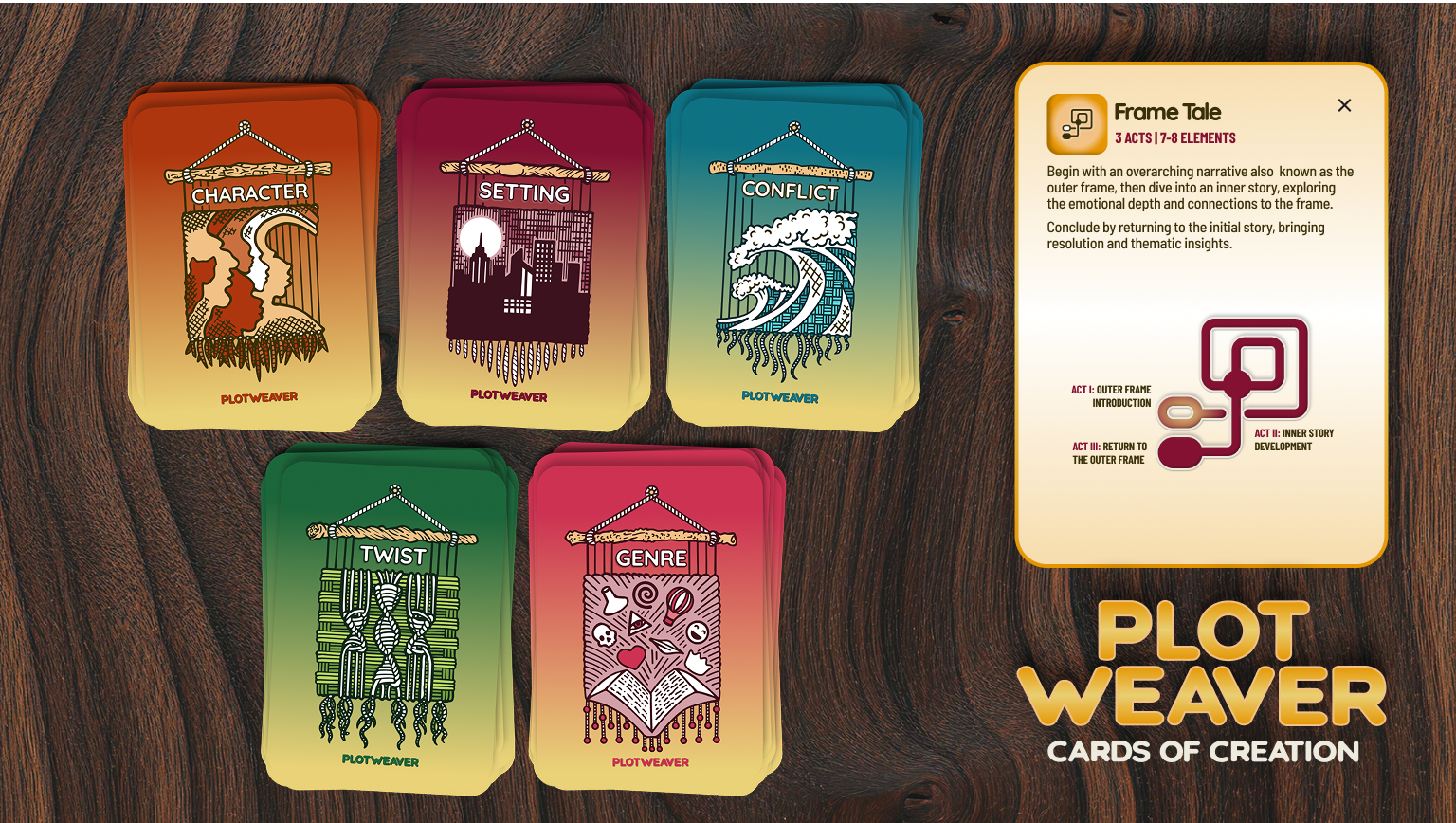
While our first deep dive into the Inverted Plot Pattern focused on immediate clarity and impact, the Frame Tale Plot Pattern is designed for depth. It is a structural classic, think The Princess Bride, Heart of Darkness, or even a well-placed “flashback” in a business case study.
The Frame Tale Plot Pattern allows a storyteller to step outside the immediate action to provide a cautionary tale, a memory, or a vital piece of lore that changes how we see the present.
The Anatomy of the Flip
3 Acts | 7-8 Elements
The Frame Tale Plot Pattern operates on two levels: the outer frame (the world of the storyteller) and the inner story (the tale being told).

ACT I: Outer Frame Introduction
The Goal: Establish the "Current Reality." Who is telling the story, where are they, and, most importantly, why does this story need to be told now?
The Prompt: Who are the main characters, and what setting defines their world?
The Story Elements: 2x Character, 1x Setting, 1x Genre (Optional).
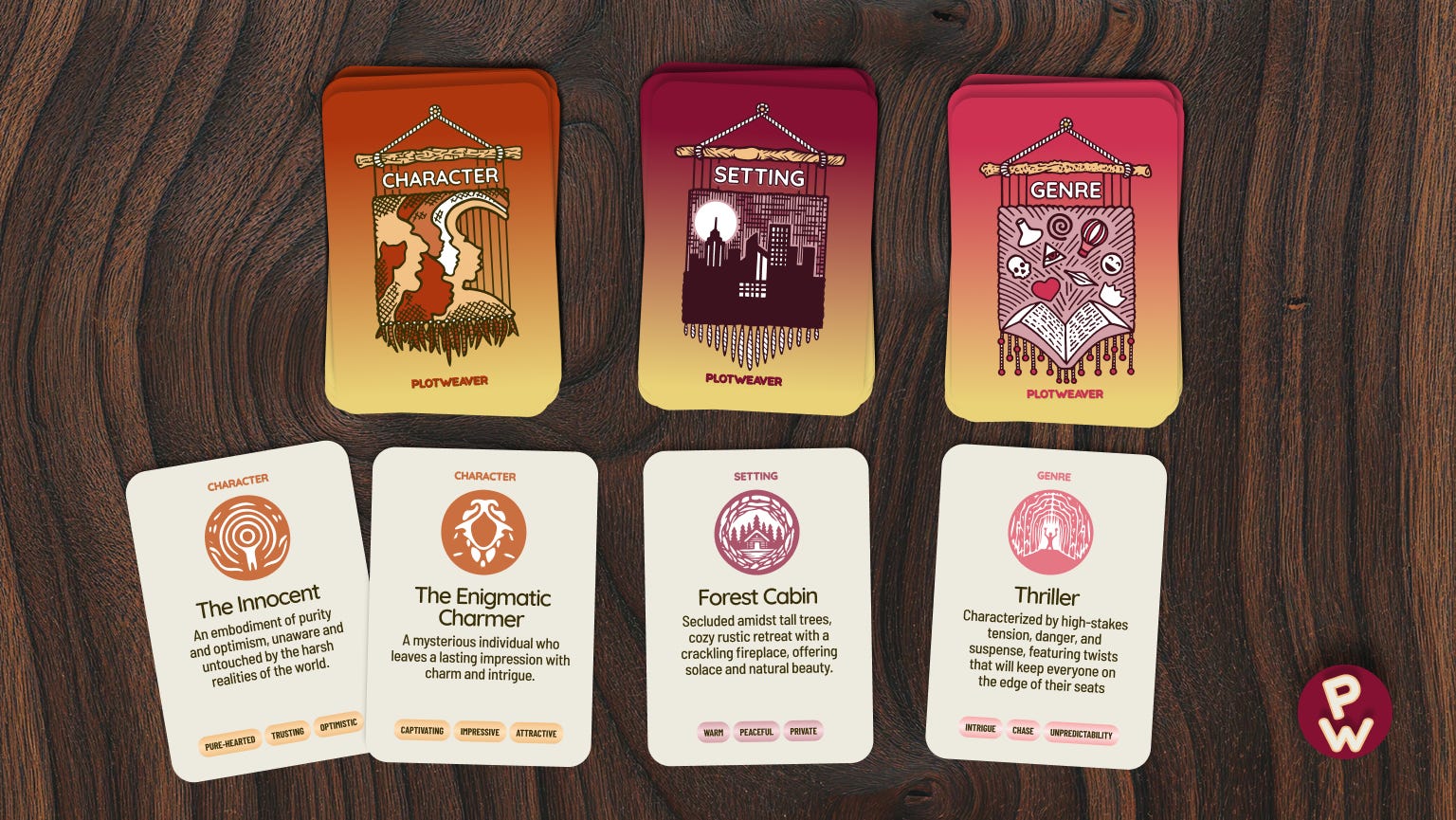
In a Frame Tale, you’re always creating two narratives. In Act I, you establish the outer story, where you can set up a character to express the need or desire to tell a story that might relate to the characters’ current situation in Act I.
ACT II: Inner Story Development
The Goal: Dive into the heart of the second story. This is the sub-plot, a memory, or a past event that holds the emotional or philosophical weight of the entire frame tale.
The Prompt: What is the protagonist’s conflict within the inner story, and how does it unfold and resolve in that unique setting?
The Story Elements: 1x Character, 1x Setting, 1x Conflict.
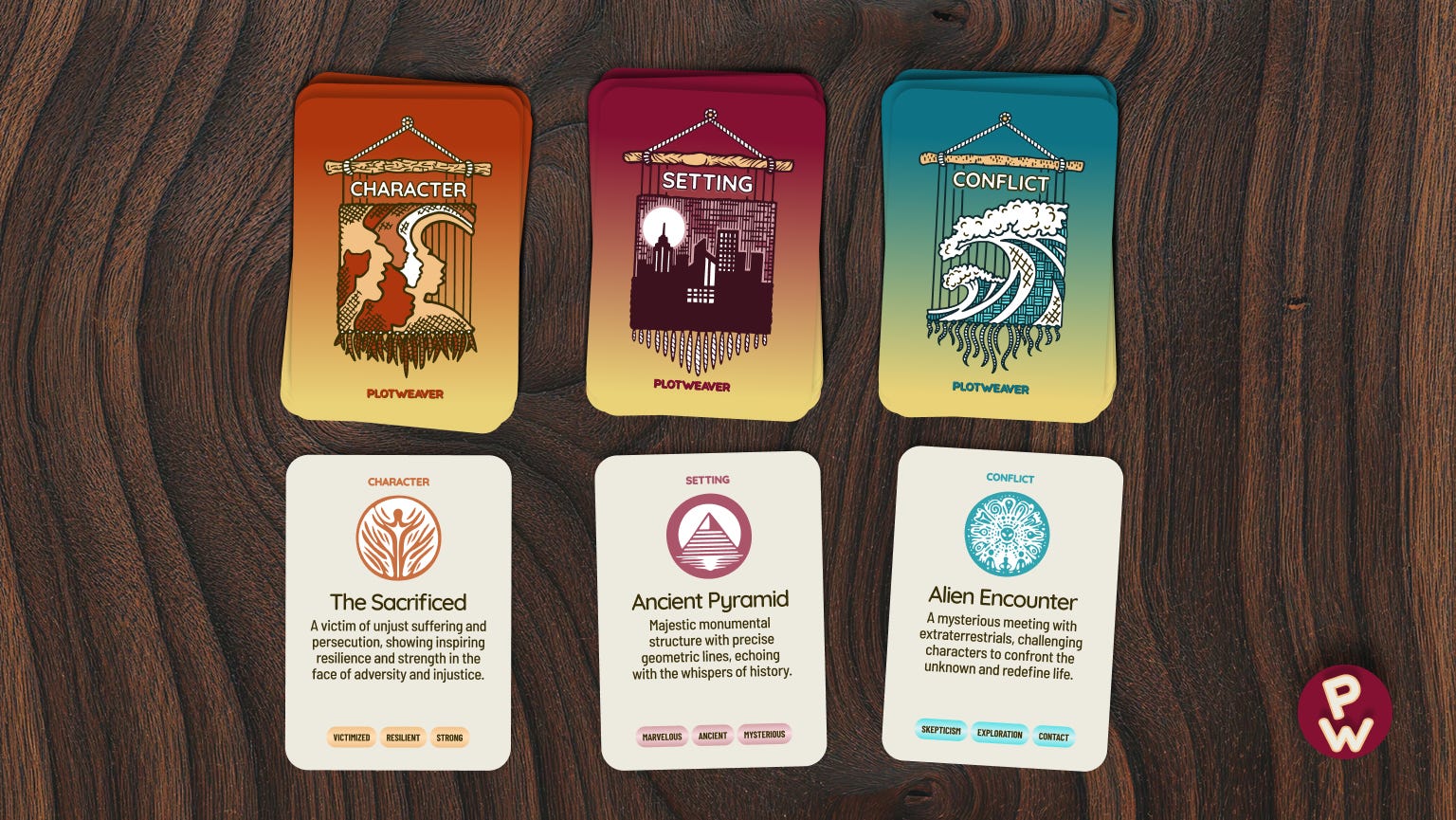
In Act II, the inner story is developed in a way that has relevance and significance to the characters’ situation in Act I. By telling the inner story, you’re establishing a link that can then be connected to the outer frame in the final Act.
ACT III: Return to the Outer Frame
The Goal: Close the loop. Show the impact of the inner story on the people listening to it in the outer frame established in Act I.
The Prompt: What surprising element or realization ties the inner story back to the outer frame?
The Story Element: 1x Twist.

Act III is where you create the resolution, inspired by a random Twist card. Characters reach a conclusion based on the insights they gain from the inner story and walk away with new understanding and wisdom.
The Plot Patterns are waiting. Visit PlotWeaverGame.com to join the next wave of PlotWeavers contributing to our Narrative Multiverse.
From the Campfire to the Presentation
The Frame Tale Plot Pattern isn’t just for folklore; it is a sophisticated tool for human connection:
In entertainment: It creates a bridge between the audience and a distant world. We care about the “Inner Story” because we see how much it matters to the “Outer” characters.
In news and features: This is the “human-interest” profile. A journalist might frame a large political event (the outer frame) through the specific, personal story of one individual (the inner story).
In reports and presentations: This is “The Case Study.” You describe the current company challenge (Outer), dive into a specific success or failure from the past (Inner), and return to the present with a clear lesson learned (Resolution).
Why We Use It in PlotWeaver
In a Play & Ponder session, drawing the Frame Tale Plot Pattern requires a specific kind of mental agility. You aren't just managing one plot; you're managing the relationship between two stories, potentially two worlds. By introducing a twist in the third Act, the game challenges you to find a thematic "bridge" that makes the inner story feel essential to the outer resolution.
Going Beyond the Page
The Frame Tale Plot Pattern reminds us that no story exists in a vacuum.
Every lesson we learn is framed by the context of who is telling it and why. By mastering this pattern, you learn to weave layers of meaning that stick with your audience long after "The End".
Want to hear this pattern in action?
I recently sat down again with Curtis Davies on the Real English Conversations Podcast to discuss the Frame Tale Plot Pattern.
We dive into how this specific structure helps global professionals build trust by “framing” complex data within a human-interest story. If you’ve ever struggled to make a presentation feel personal while staying professional, this episode is for you.